Blog
Nutrient Deficiencies to Watch Out for on a Gluten-Free Diet


Gluten-free living has become more popular in the UAE. While it can support better digestion and health, one challenge many people face is nutrient deficiencies. Since many gluten-containing products are fortified and gluten-free alternatives often are not, it is important to understand which nutrients you may be missing and how to get them.

Why Gluten-Free Diets Can Lead to Deficiencies
- Missing Fortification: Most wheat-based breads and cereals are enriched with vitamins and minerals. Gluten-free products are not always fortified in the same way, which can lead to gaps in nutrition.
- Over-Reliance on Processed Foods: Supermarket gluten-free items like cookies, biscuits, and packaged bread can be low in fiber and high in sugar. Eating too many of these can make it difficult to maintain a balanced diet.
Common Deficiencies on a Gluten-Free Diet
- Iron: Without fortified bread and cereals, many gluten-free diets fall short on iron. This can lead to fatigue, dizziness, or weakness. Iron-rich foods like nuts, seeds, legumes, and leafy greens should be part of your meals.
- Vitamin B12 and Folate: These are essential for brain health and emotional well-being. Without fortified grains, gluten-free eaters must find them in eggs, leafy greens, and supplements if necessary.
- Fiber: Fiber is essential for digestion and fullness, but many gluten-free processed foods are low in it. Oats, seeds, and pulses are excellent gluten-free fiber sources.
- Magnesium and Vitamin D: Magnesium supports muscles and sleep, while vitamin D is vital for bones and immunity. In the Middle East, vitamin D deficiency is common due to limited sun exposure, so paying extra attention to it is important.
How to Avoid Nutrient Gaps
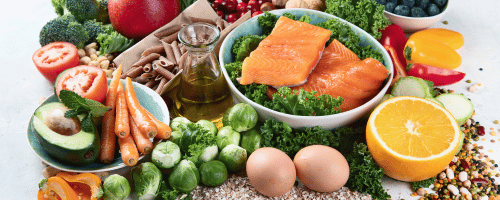
- Build Your Plate with Whole Foods: Brown rice, quinoa, lentils, chickpeas, oats, and seeds should be at the center of a gluten-free diet. These foods are naturally rich in fiber, vitamins, and minerals.
- Choose Smart Products: Instead of depending on heavily processed gluten-free snacks, look for natural, clean-label products. Gluten-free bread mixes, wholesome granolas, and nutrient-rich baking mixes are convenient ways to add balance to meals.
A hearty slice of gluten-free bread filled with seeds or a bowl of oat-based granola can provide both energy and essential nutrients.
Consider Supplements if Needed
Sometimes food alone may not be enough, and supplements like vitamin D, iron, or B12 may be recommended by a doctor after a blood test.
A gluten-free diet has many benefits, but it requires mindful choices. By focusing on whole foods and choosing better-quality gluten-free products, you can avoid deficiencies and enjoy the health benefits of gluten-free living in the UAE.