Blog
Successful Gluten-Free Pastry Baking Hacks

If you’ve ever tried baking gluten-free pastries or cakes, you’ve probably faced some challenges: dry dough, bread that doesn’t rise properly, or a texture that just feels “different” from traditional baked goods. The reason is simple: gluten. It’s the protein found in wheat, barley, and rye that gives dough its elasticity and structure, helping it trap air and rise into a soft, fluffy texture.
But here’s the good news: baking without gluten doesn’t mean giving up on delicious, fluffy pastries. In fact, gluten-free baking can be just as tasty – and even healthier – when you know the right hacks. With a few smart substitutions and techniques, you can achieve that perfect texture every time.
Quick Tip: When baking gluten-free, don’t be afraid to make your dough slightly wetter than usual. Extra moisture helps compensate for the lack of gluten and results in softer, fluffier bakes.
1. Choose the Right Flour Blend
The first secret is a balanced flour mix. Using just one type of flour – like rice or corn – can lead to dry, crumbly results. Instead, try combining:
- Rice flour (white or brown) for lightness.
- Almond or coconut flour for extra moisture and flavor.
- Tapioca or potato starch to add elasticity and structure.
If you don’t have time to mix, pre-made gluten-free flour blends are a quick and reliable option.
If you don’t have the time to bake from scratch, opt for a ready-made, healthy choice like Treat Me’s Gluten-Free Sourdough Bread.
2. Add a Natural Binder
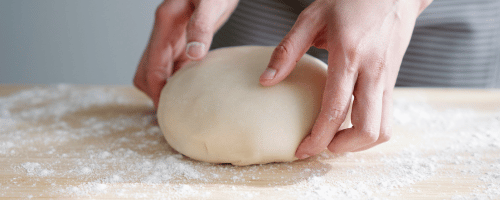
Since gluten-free dough lacks natural elasticity, binders are essential to prevent crumbling and dryness. Some of the best options include:
- Xanthan gum or guar gum: mimic the structure of gluten.
- Psyllium husk: absorbs water and forms a gel-like texture, improving dough elasticity while adding fiber.
- Ground flax or chia seeds mixed with water: great vegan egg substitutes.
- Gelatin or eggs: help create structure and lightness.
- Mashed potatoes: a clever addition that adds natural moisture and softness, making bread and pastries tender.
Pro Tip: Combining psyllium husk + mashed potatoes works wonders for fluffy, moist, and well-structured gluten-free baked goods.
3. Focus on Moisture
Gluten-free dough dries out faster than traditional dough, so extra hydration is key. Try adding:
- Plant-based milk or yogurt for richness.
- Coconut oil or olive oil for softness.
Don’t worry if your dough feels stickier than usual – that’s normal and actually improves the final texture.
4. Let the Dough Rest
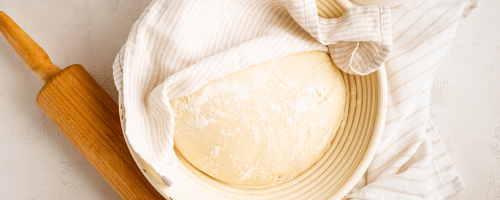
Allowing the dough to rest for 15–30 minutes before baking gives starches time to absorb liquids properly, resulting in better structure and texture.
5. Control Your Baking Temperature
- Always preheat your oven before baking.
- Bake at a moderate temperature for slightly longer to avoid drying out.
- If the top browns too quickly, cover with foil until the inside is fully baked.
6. Add Flavor and Texture
To take your gluten-free baking to the next level:
- Sprinkle nuts or seeds for extra crunch.
- Add herbs like Thyme or veggies like olives and dried tomatos for depth of flavor.
Mastering gluten-free baking isn’t as hard as it seems – it just takes the right hacks: balanced flour blends, natural binders like psyllium husk or mashed potatoes, enough hydration, and proper baking techniques. And with convenient, healthy products like Treat Me’s Gluten-Free Sourdough Bread, you can enjoy delicious, nutrient-rich, gluten-free bakes anytime.